What Should I Do Before a Surveyor Arrives? Preparing Your Site for a Survey
Hiring a surveyor is often one of the first steps in a construction, renovation, or property project. But once the survey is booked, many people ask the same question: “Is there anything I need to do before the surveyor arrives?”
The short answer is yes—although preparation is usually straightforward, taking a few simple steps beforehand can make the survey process smoother, faster, and more accurate. Whether you’re a homeowner planning an extension, a developer preparing a site, or a business owner managing a commercial property, a little preparation can help surveyors work more efficiently and ensure you get the best possible results.
In this guide, we’ll walk through what you should do before a survey takes place, what surveyors may need access to, and how proper preparation can save time and avoid delays.
Understand What Type of Survey You’re Having
Before preparing your site, it helps to understand what kind of survey is being carried out. Different surveys require different levels of access and preparation.
For example:
- A topographical survey focuses on mapping land features, boundaries, levels, and existing structures.
- A measured building survey involves detailed internal and external measurements of a building.
- A utility or GPR survey investigates underground services such as pipes and cables.
- A boundary survey concentrates on confirming legal property lines.
Knowing the purpose of the survey will help you understand which areas surveyors need to access and whether any preparation is required indoors, outdoors, or both.
If you’re unsure, ask your surveyor ahead of time. A professional surveying company, such as Intersect Surveys, will always explain what’s involved and what they need from you before arriving onsite.
Make Sure the Site Is Accessible
One of the most important things you can do is ensure the surveyor can safely access the areas they need to inspect.
This may sound obvious, but access issues are one of the most common causes of delays during surveys. Locked gates, blocked driveways, overgrown gardens, or cluttered rooms can slow the process down significantly.
Before the survey:
- Unlock gates or arrange access permissions
- Move vehicles blocking key areas
- Clear excessive clutter from rooms or pathways
- Trim back heavy vegetation if it obstructs important features
- Ensure pets are safely secured
For measured building surveys, surveyors may need access to every room, stairwell, basement, loft, or garden area. If certain spaces are inaccessible, the final drawings may be incomplete or require a return visit.
For outdoor surveys, surveyors often need clear visibility of boundaries, drainage covers, utility markers, and changes in ground level. Removing obstacles ahead of time can improve both speed and accuracy.
Gather Any Existing Information
Although surveyors collect their own measurements and data, existing documents can still be extremely useful.
Before the visit, gather any information you already have, such as:
- Previous survey drawings
- Site plans
- Utility records
- Architectural plans
- Land registry documents
- Planning application drawings
These documents help provide context and may assist surveyors in identifying important features or resolving discrepancies more efficiently.
For example, if a utility plan already shows the approximate location of underground services, it can help guide a GPR survey and speed up investigations onsite.
Even if the documents are outdated, they can still be valuable reference points.
Be Clear About Your Goals
Surveyors work best when they understand exactly what the client needs.
Before the survey takes place, think carefully about your goals and communicate them clearly. Are you planning an extension? Resolving a boundary issue? Applying for planning permission? Preparing for excavation work?
The more information you provide upfront, the better your surveyor can tailor the survey to your requirements.
For instance, if you’re planning a home extension, your surveyor may need to pay extra attention to drainage routes, neighbouring structures, or changes in ground level. If you’re redeveloping a commercial site, additional detail around utilities or access routes may be necessary.
Clear communication early on helps avoid misunderstandings later and ensures you receive the most useful final deliverables.
Expect Survey Equipment on Site
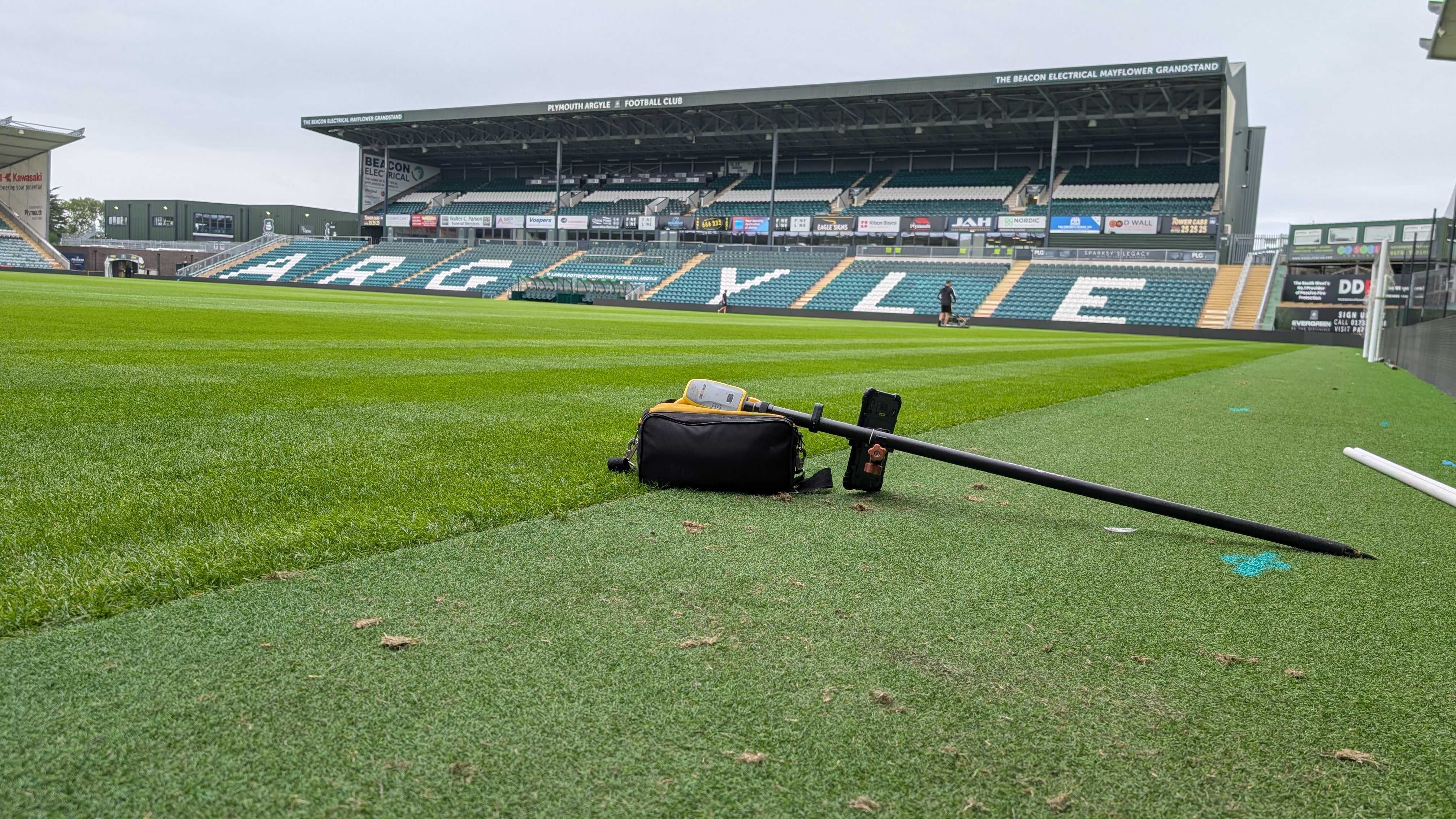
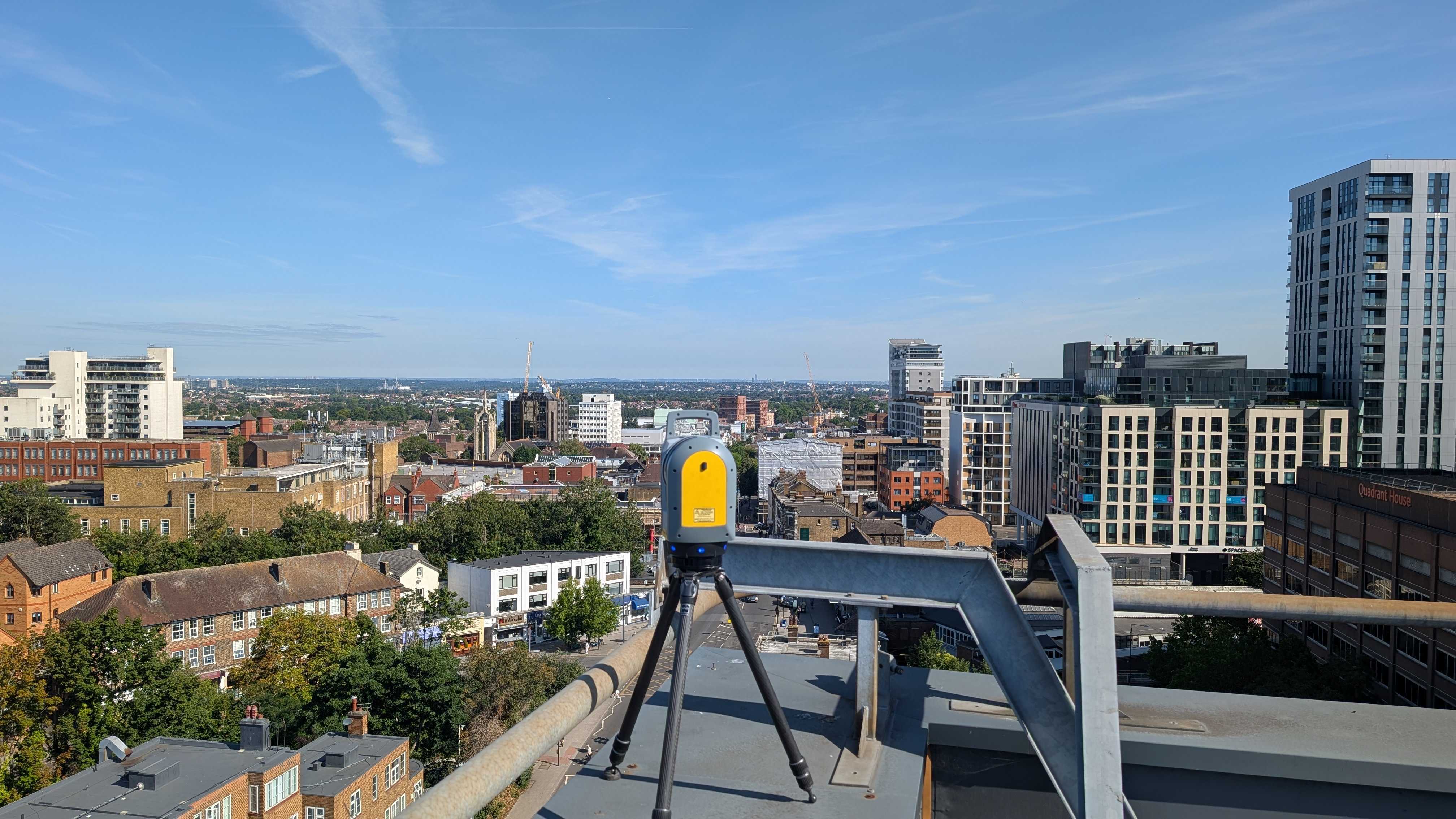
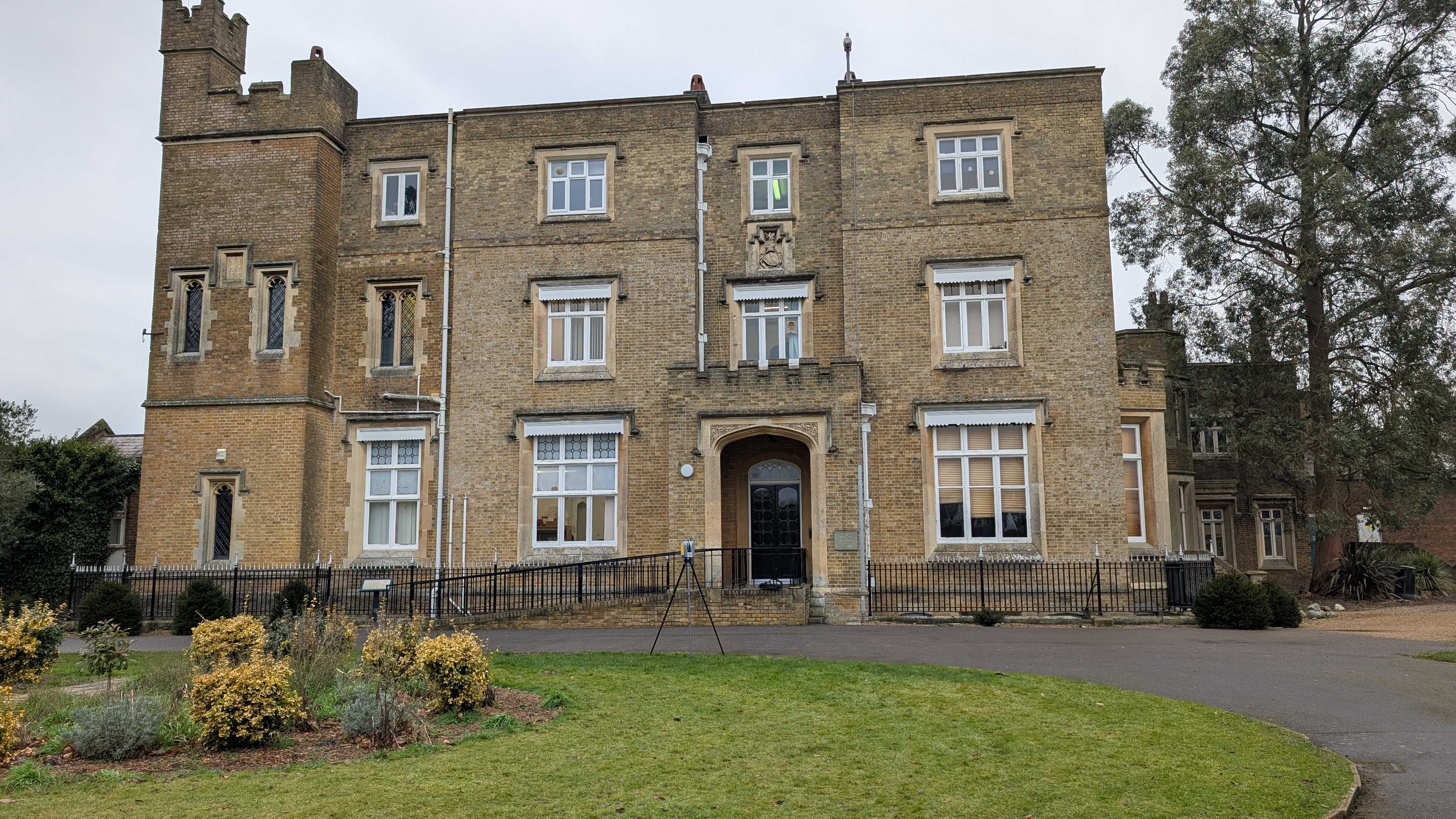
Many people are surprised by the amount of equipment surveyors use. Depending on the project, you may see tripods, laser scanners, GPS receivers, drones, or GPR equipment onsite.
Modern surveying technology allows for extremely accurate measurements, but the equipment often requires stable conditions and enough working space to operate effectively.
You don’t need to do anything technical yourself, but understanding that surveyors may need room to move equipment around can help avoid disruptions during the process.
If you’re working on an active construction site, it’s also important to ensure other contractors are aware a survey is taking place. Minimising unnecessary movement around equipment can improve accuracy and safety.
Be Prepared for Questions
Surveyors may ask questions during the visit about the property, site history, access arrangements, or any concerns you have about the project.
This is completely normal and often helps them identify issues that may not be immediately visible.
For example, you may know about previous drainage problems, undocumented extensions, or neighbour disputes that could affect the survey. Sharing this information upfront allows surveyors to investigate appropriately and provide more useful data.
Remember, surveying isn’t just about measurements—it’s about understanding the site as a whole.
Don’t Worry If Conditions Aren’t Perfect
Many clients worry that their site needs to be spotless before a survey. In reality, surveyors are used to working in live environments, construction sites, occupied homes, and uneven terrain.
The goal isn’t perfection—it’s reasonable accessibility and safety.
If there are unavoidable limitations onsite, simply let your surveyor know in advance. Most professionals can adapt their methods or advise whether certain areas may affect the survey results.
Preparation Leads to Better Results
Preparing for a survey doesn’t need to be complicated, but a little planning can make a big difference. Ensuring good access, sharing relevant information, and understanding the survey process all help surveyors work efficiently and deliver accurate, reliable results.
Ultimately, surveys provide the foundation for important decisions about land, buildings, and construction projects. The better prepared the site is, the smoother the process will be—and the more confidence you’ll have in the final outcome.
If you’re planning a survey and aren’t sure how to prepare, the team at Intersect Surveys is always happy to help. We’ll guide you through the process, explain what’s needed, and ensure your survey runs as smoothly as possible.